

Dark Innovation: Why Stealth is the Way to Go
Innovation is the lifeblood of any organization—be it a startup or a seasoned corporation. But with innovation comes risk, and with risk comes resistance. Innovation antibodies can be that internal or external roadblocks that see their role to protect the organization from risk. What they end up doing is meddling and stifling progress.
To counter these threats, a novel approach has emerged: dark innovation. By “going dark” — keeping a project or initiative under wraps (in stealth mode) — a team can progress without the risk of interference.
Personal Example of a Dark Innovation Project
Over my career, I’ve created several dark innovation projects leading to commercial products and services. Eventually, my partner in crime at HP, Henry Sang, and I created a secret “dark lab” that was off the books. I provided the executive air cover and the dark funding while Henry put it together and mentored the projects. It was so secret HP facilities, and the real-estate team didn’t know we were operating a large warehouse lab, not to mention the HP executive team was completely unaware of the program.
Wired Magazine described it as …
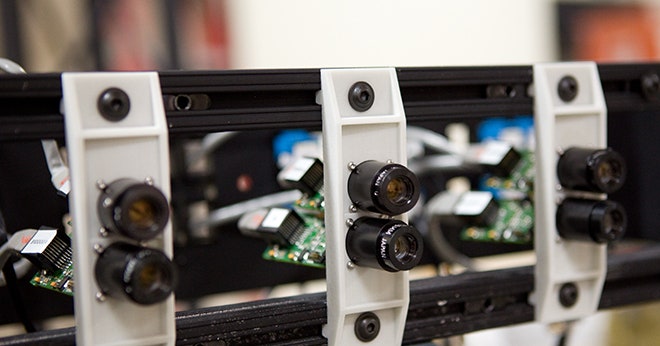
HIDDEN SOMEWHERE IN the 178 square miles that make up the City of San Jose, California, there’s a nondescript warehouse with black plastic taped over most of the windows.If you manage to sneak a peek inside the front door, you won’t see much — a few odds and ends, props for a school play. But if you step inside on the right day, you might see an IndyCar driver. Or the Vice Premier of Taiwan. Or the cinematographer who’s developing 3D movie technology with director James Cameron.
This secret lab was an ultra-secret facility where innovators from around HP could collaborate on cutting-edge projects without worrying about prying eyes or interference from management. We created prototypes, explored new ideas, and even launched a few products with no one knowing about them until we were ready to go public.
You can read the details in the Wired magazine article.
Benefits of Dark Innovation
What are the benefits of dark innovation, and why should it be considered in every organization’s toolkit of innovation?
Author