
Are You Suffering From Future Shock?
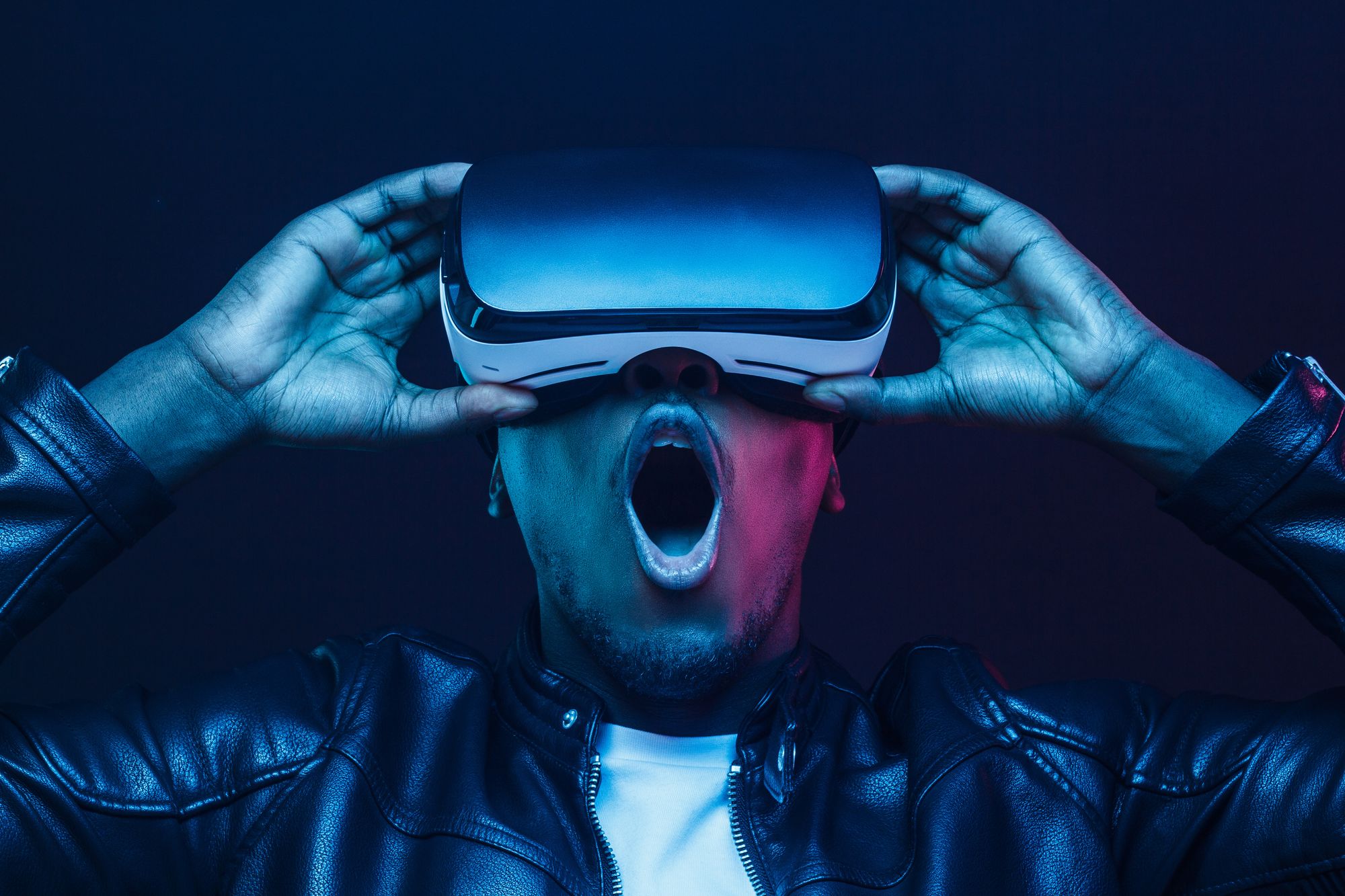
Have you ever felt like the world is changing too fast, and you just can’t catch up? You might be experiencing future shock. Coined by Alvin Toffler in his book of the same name, future shock refers to disorientation and anxiety caused by too much change in a short period of time. With technology advancing faster than we can adapt, it’s no surprise that many of us feel overwhelmed.
Characteristics of Future Shock
Future shock isn’t just about technology. It can apply to any significant change in society, such as changes in politics, culture, and even architecture. The characteristic symptoms of future shock include anxiety, disorientation, and confusion. When we go through a time of rapid change, we feel like we are out of control. We struggle to keep up and feel a sense of loss since the old ways of doing things no longer work.
We all have a nostalgic tendency for the good old times, as evidenced by the numerous tik tok videos of boomers showing off rotary dial phones, writing cursive, and other throwbacks to a simpler time. Unfortunately, this longing for the past causes us to feel like we’re stuck and can’t keep up with the present.
Examples of Future Shock
One of the most vivid examples of future shock is the industrial revolution, which changed how people worked and lived. Many people were uprooted from their rural communities and thrust into the city, where they had to adjust to new ways of living and working. This change occurred over a relatively short period of time, causing a great deal of disorientation and anxiety among the population.
Another example of future shock is the digital revolution, which has brought about significant changes in the way we communicate, access information, and interact with each other. The rise of social media, smartphones, and the Internet has changed our lives in ways we could never have anticipated. Many struggle with addiction to our screens and the constant need to stay connected.
Consequences of Future Shock
The consequences of future shock can be severe. When we feel like we’re out of control, we can become anxious, depressed, and even ill. We may lose our sense of identity and become disoriented. We may lose our connection to the past and the values that have held us together. The pace of change can be overwhelming, and we may feel like we’re drowning.
Future shock is not psychosomatic. It is real. We need to be aware of it and learn how to manage it in order to stay healthy, connected, and productive.
How To Deal With Future Shock
It is crucial to …
Author