

The Morality of Knowledge – Playing God or Responsible Innovator?
Humans have always been driven by curiosity and the thirst for knowledge. The endless pursuit of knowledge has brought us to where we are today, from the invention of the wheel to space exploration. But while knowledge is power, it can also be a double-edged sword. Our quest for knowledge has moral and ethical implications that affect our lives and those of others around us.
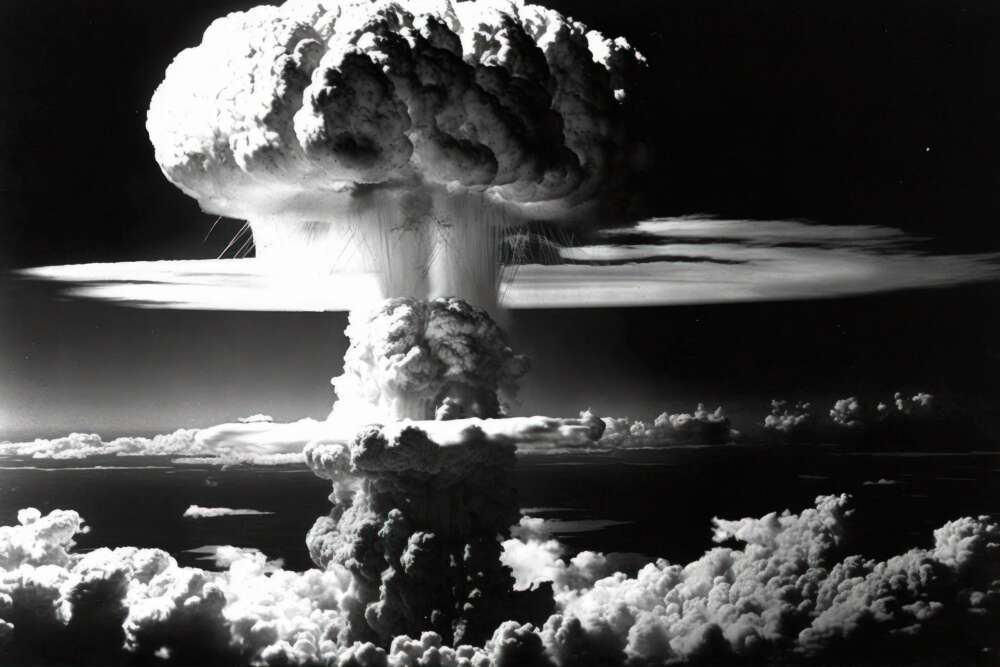
Throughout history, many examples of knowledge have been pursued or discovered without considering these moral implications. Sometimes, the consequences were more beneficial than expected, but this pursuit of knowledge had disastrous results in other cases. Take, for example, nuclear research and the development of atomic bombs: while they initially considered it a significant breakthrough in science, the potential for the proliferation of the knowledge to create devastating destruction wasn’t fully understood until it was too late.
Morality of Knowledge
The morality of knowledge can be traced back to the ancient Greeks. They believed in “arete,” which refers to virtue, excellence, and moral goodness. They believed that knowledge should not be pursued for its own sake but should be sought after in pursuit of moral goodness. We have carried this idea forward to the modern-day, where the morality of knowledge is defined as the ethical principles that govern the pursuit, acquisition, dissemination, and application of knowledge.
Our actions must always consider the potential consequences, and this includes using newly gained knowledge for moral purposes. We must also know the implications of our behavior in terms of responsible research and development practices.
Unrestricted Knowledge
Francis Bacon’s famous statement that “Knowledge itself is power” reinforces the position of unrestricted knowledge. This suggests that knowledge should be sought after with no consideration for morality. Supporters of this position argue that it is impossible to determine the moral implications of a piece of knowledge before we have acquired it, making the pursuit and acquisition of knowledge morally neutral.
However, this idea has been criticized by those who believe there are limits to how far our pursuit of knowledge can and should go. This position suggests that we must consider the moral implications of our knowledge before pursuing it and that unrestricted knowledge may lead to unintended consequences with devastating results.
Moral Duty
As human beings, we have a moral duty to prioritize good over evil. It is unethical to prioritize knowledge that serves personal or intellectual interests over knowledge that promotes the greater good.
We must investigate the potential consequences of our actions and consider the implications of our newly acquired knowledge. We should strive to ensure that the consequences of our pursuit or application of knowledge are beneficial rather than detrimental to society.
Ultimately, the morality of knowledge is about using knowledge to promote the greater good. It is important to remember that while knowledge can be powerful, we must use it responsibly and with respect for its moral implications.
Morality of Knowledge and Innovators
For innovators, moral issues associated with gaining and using knowledge are of paramount concern. Innovators who develop and introduce new technologies and ideas must carefully consider the impact of their inventions on society. The morality of knowledge should be at the center of innovators’ decision-making processes. This calls for innovators to be more responsible in their quest for knowledge and considerate of the impact their innovations will have on the world.
In addition, innovators must ensure that their inventions and discoveries are ethically sound. This means understanding the potential consequences of their work and ensuring that ethical considerations are considered when conducting research.
Two examples of innovators not considering the morality of knowledge can be seen in the actions of Thomas Midgley Jr. and Edward Teller. Midgley, an engineer and chemist, invented both tetraethyl lead, a gasoline additive, and chlorofluorocarbons (CFCs), both of which have had severe environmental impacts. Midgley focused on the practical applications of these inventions without foreseeing the devastating ecological consequences. Similarly, Edward Teller, often called the “father of the hydrogen bomb,” strongly advocated for developing nuclear weapons during the Cold War. His focus was on the power and potential of nuclear energy, disregarding the immense potential for destruction and loss of life.
Conclusion
The pursuit of knowledge is a fundamental aspect of human life. However, as we have seen, the morality of knowledge plays a critical role in shaping our moral values and, ultimately our society. Our pursuit of knowledge should be tempered by ethical principles, and the acquisition and dissemination of knowledge should be guided by a sense of responsibility to society. The morality of knowledge should not be an afterthought; it should be at the center of our pursuit of knowledge and guide our actions toward the greater good.
This post originally appeared on the blog at philmckinney.com.
Author







1 Comment
Comments are closed.