
What Is Chronic Venous Insufficiency
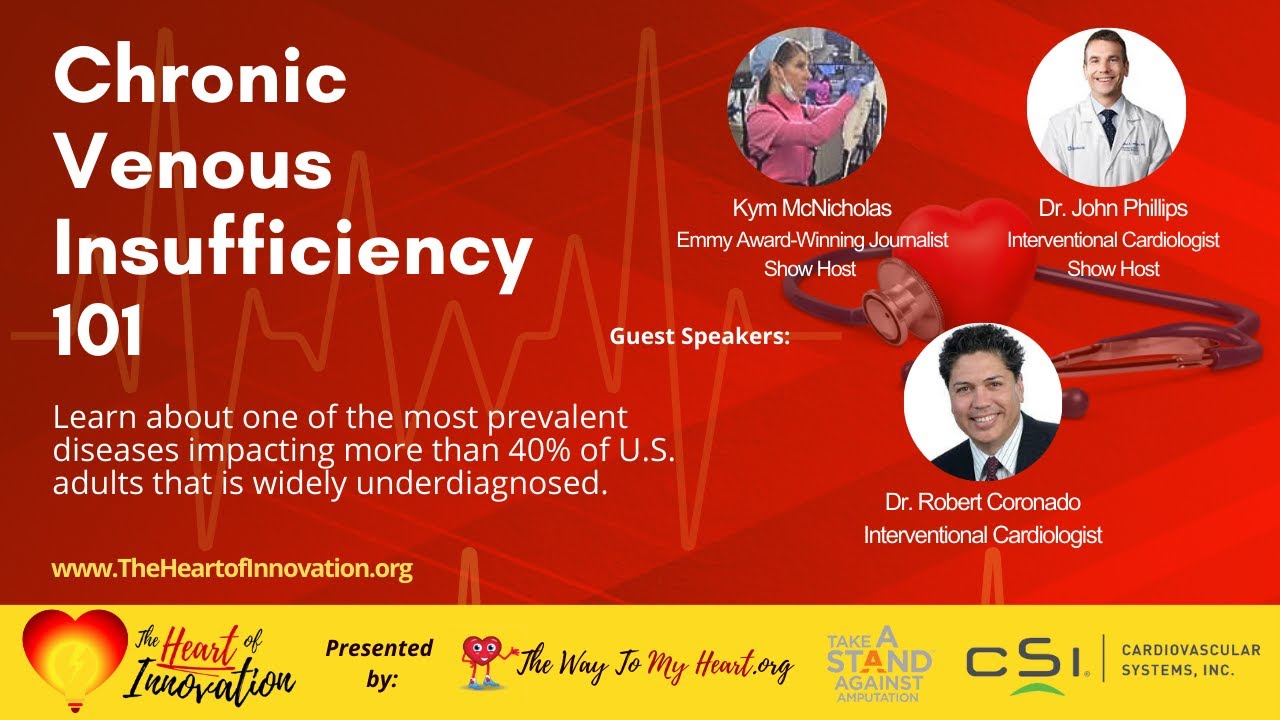
Chronic Venous Insufficiency 101
Ten years ago, I took my first overseas flight, a short turnaround for my return. I took supplements to help me sleep almost the entire flight to Sydney, Australia, and the additional connection to Perth (another five hours) to help the time pass quicker. While there, it was two days filled with a whirlwind of meetings, panel moderation on stage, dinners, and evening festivities. I’m unsure if I slept more than a few hours each night. On the third day, I was back on a plane to Sydney, where I had planned one night to have dinner with a group of eager entrepreneurs to have me write about their start-up technology businesses.
Halfway through the flight, a friend told me my face was swelling up before her eyes. It turns out my feet and hand were swollen as well. So, flight attendants cleared out a row of New Zealand rugby players to allow me to lie down, stretch out, and elevate my feet for the rest of the flight. Upon landing, they rushed me to the nearest hospital.
The fear was blood clots. The risk of a blood clot is about 3-times higher for people traveling on long-distance flights.
It was a genuine concern as my Mom almost died from a pulmonary embolism following a six-hour flight.
My diagnosis, however, was gravitational edema and severe dehydration and two bags of IV fluids did the trick.
But what a scare!
I followed up with my primary care physician the moment I got home. While they ruled blood clots out, she suggested checking for venous insufficiency. It’s a disease of the veins, which makes it difficult for blood to return to the heart from the legs. It happens when the veins and/or valves’ walls stop working properly, and blood starts leaking into tissue or pooling. It can happen in your deep veins, the largest ones deep in your body and run through the muscle, your superficial veins close to your skin’s surface, or your perforating veins that connect the deep and superficial veins. If you have CVI, you may experience leg swelling, pain, throbbing while standing, muscle aches, leg cramps, itching, and even varicose veins.
For me, ultimately, my test results showed my venous system was healthy. But I was glad my primary care physician was assertive enough to test for it. Did you know that it’s estimated that 40% of U.S. adults have some level of venous insufficiency? Yet, it’s often underdiagnosed and under-treated, leaving patients with debilitating symptoms until a non-healing ulcer appears on their calf.
Interventional Cardiologist Dr. Robert Coronado says it’s long overdue to raise awareness for CVI. He joins Dr. John Phillips and me on this episode of The Heart of Innovation, brought to you by The Way To My Heart and Cardiovascular Systems, Inc.‘s patient advocacy campaign Take A Stand Against Amputation, to talk about the prevalence of CVI, how to talk to your doctor about getting tested, how it’s diagnosed, and treatment options.
Author